

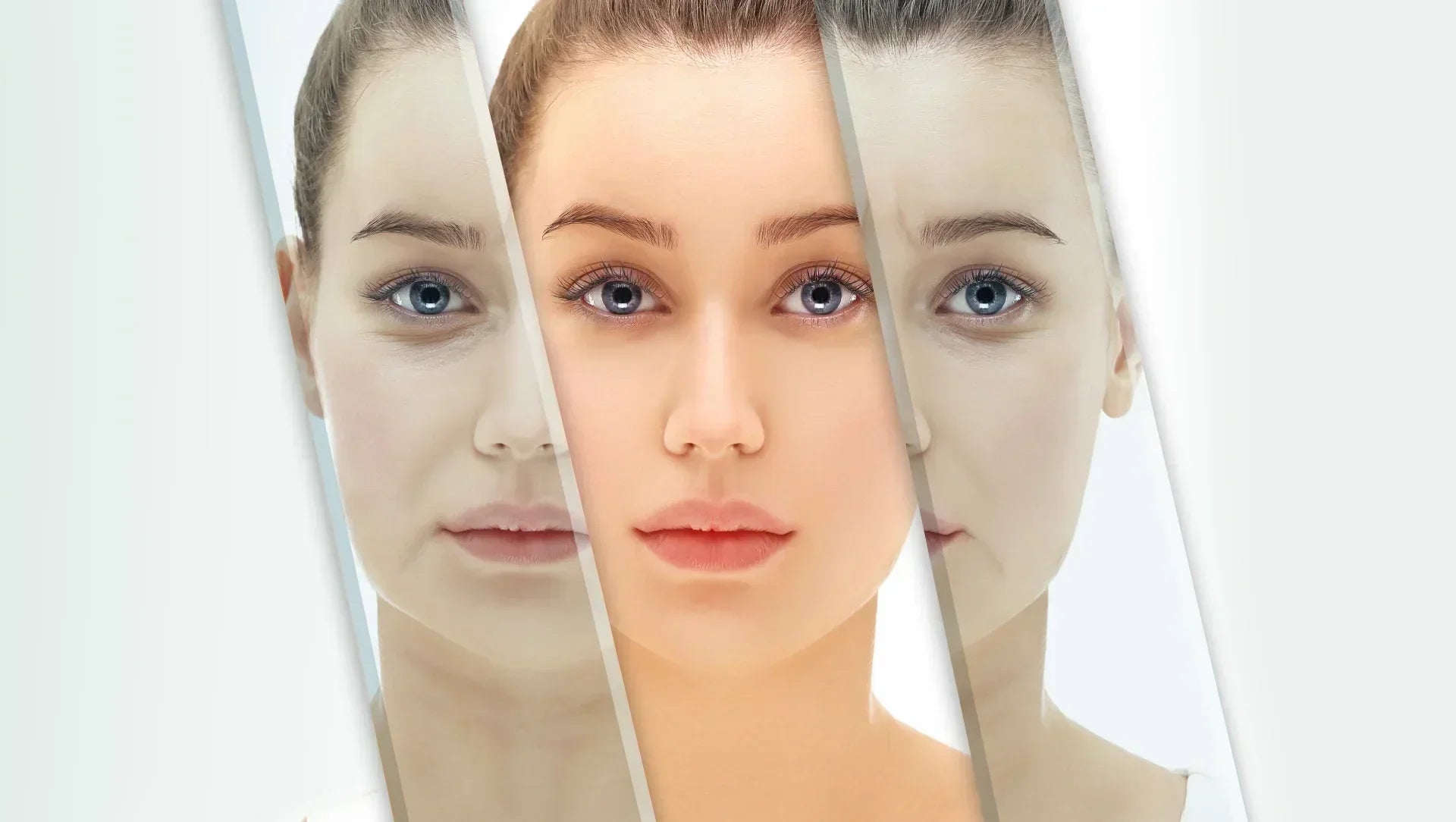
Here and there, we hear how important antioxidants are. But why, exactly? Why does it matter so much that antioxidants show up in our diet and in the products we put on our face? The answer hides in the definition of oxidative stress. That's why, today, we'll examine what it is, what causes oxidative stress and, most importantly, what you can do about it.
Oxidative Stress Meaning
This term refers to chemical processes in which unstable molecules appear in the body as a whole and in the skin in particular. These are reactive oxygen species (ROS). They are chemically reactive molecules that include both free radicals and non-radical species.
Free radicals are molecules or molecular fragments that contain an unpaired electron, which makes them highly reactive. Oxidative stress occurs when the production of reactive molecules exceeds the body's ability to control and neutralise them.
First of all, protein and fat molecules come under attack from free radicals. In particular, oxidative processes can affect proteins involved in maintaining skin firmness and elasticity, including collagen and elastin. Prolonged oxidative stress may contribute to premature skin ageing.
The Balance Between Free Radicals and Antioxidants
As you could notice so far, ROS have a bad reputation; still, they are quite necessary for our body. They take part in the fight against viruses and bacteria. The body uses them as signalling molecules that help cells "transmit information". That is, a moderate amount of free radicals in our body is normal and even beneficial.
Antioxidants are what keep ROS levels in check, holding that balance steady. Antioxidants can help neutralise reactive molecules and support the body's antioxidant defence systems. This preserves equilibrium and balance. Problems can arise when the redox balance is disrupted.
Main Causes of Oxidative Stress
Various factors can increase the production of reactive molecules and contribute to oxidative stress, including smoking, exposure to UV radiation, environmental pollution, psychological stress, lack of sleep and an unbalanced diet.
How Does Oxidative Stress Affect the Skin?

Long-term oxidative stress may contribute to processes associated with loss of skin firmness and elasticity. This can even be seen visually:
- The skin loses firmness and tone
- Wrinkles on the cheeks, lines around the eyes, and 'Venus rings' in the décolleté area may become more noticeable
- The skin becomes dry, takes on a dull appearance, and looks quite tired
- Pigmentation may appear, particularly on the cheeks and hands
Can Oxidative Stress to the Skin Be Reduced?
The simplest thing you can and should do to reduce oxidative stress's negative impact on the skin is to follow a balanced diet. It's important to enrich your daily diet with foods containing natural antioxidants. These include fruits, berries, leafy greens, and vegetables.
External Skin Support
Cosmetic products can also help maintain the skin's firmness and healthy appearance. The following are suitable:
Cosmetics with Antioxidants
Fullerene is a molecule with antioxidant properties that has been studied for use in cosmetic formulations. Fullerene has been studied for its ability to act as a reusable antioxidant, as it can scavenge free radicals while retaining its structural stability. Products containing vitamin C, coenzyme Q10, spirulina, and others can also be useful in regular skin care.
What Results Can You Expect from Antioxidant Skincare?
How well a skincare routine works really comes down to your own skin - where it's starting from, how much damage there is, your age, and which products you're actually using day to day. We can only talk about average statistical indicators.
| With consistent skincare | Possible changes |
|---|---|
| Regular use | Skin may feel more comfortable and hydrated. |
| Continued use | Skin may appear fresher and more even. |
| Over time | Fine lines may appear less noticeable. |
The formulation of a skincare product can also influence how it feels and performs on the skin. Serums and creams may contain different concentrations and combinations of active ingredients, so the product format alone does not determine how quickly results appear. Regularity of application also matters. When you skip your daily routines or forget about skincare from time to time, it may take longer to notice results.
Can Different Antioxidants Be Combined With Each Other, or Do They "Neutralize" Each Other?
Different antioxidants can be used as part of the same skincare routine, provided that the individual formulations are compatible with each other and with your skin. Vitamin C can help improve the appearance of uneven skin tone, while fullerene has antioxidant properties.
Antioxidant Cosmetics in the Plamine Range

- Plamine Essence - a fullerene serum that hydrates the skin and helps reduce the feeling of dryness and tightness.
- Clear Lotion - a cleansing product with fullerene.
- UV Perfect Lotion - a sunscreen with fullerene that helps protect the skin against photoaging.
Supporting the Skin Barrier
A healthy skin barrier helps protect the skin from external environmental stressors. Skincare products containing fatty acids, ceramides, and peptides can help support the skin barrier and maintain its appearance and condition.
Strengthening the Skin Barrier with Plamine Products
- Emollient Rich Cream with collagen, hyaluronic acid, and a ceramide complex is designed to support the skin barrier.
- Plamine Hybrid Oil contains a complex of ingredients that have a positive effect on the overall condition of the skin.
Is There a Chance to Completely Get Rid of Oxidative Stress and Its Consequences?
Deep lines and facial wrinkles that have already formed as a result of oxidative stress are a tough thing to reverse - no home remedy or skincare product is likely to erase them completely. And the longer that damage has had time to build up in the skin, the harder it becomes to undo. It is worth taking into account that this damage is compounded by additional stress that the body experiences as a result of poor nutrition, smoking, and some diseases.
Therefore, it is almost impossible to get rid of oxidative stress completely. What is really possible to do is to slow down the further accumulation of damage and help minimise further environmental stress on the skin and support its normal appearance.
What Changes Are Still Possible?
The skin has natural renewal processes that can be supported with appropriate skincare. So, in case you provide comprehensive care, you can see positive changes over time. You can expect a more even skin tone, softer fine lines, and relief from dehydration - plus calmer skin.
What Can Work?
The most important step is to address factors that can contribute to oxidative stress. This may be smoking, chronic lack of sleep, and other factors that increase oxidative stress. Moderate physical exercise, on the other hand, may be beneficial, along with adjusting the diet towards balanced nutrition. And if, in addition to this, you provide external skincare support, all of this together may support overall skin health and appearance.
What Will Not Relieve the Symptoms of Oxidative Stress as Desired?
Skincare works best as part of a broader healthy lifestyle. Smoking, insufficient sleep and prolonged stress can continue to affect overall wellbeing and skin condition.
Conclusions
Oxidative stress isn't something to fear - it's a completely natural process we deal with every single day. The real task is making sure it doesn't get the upper hand: giving skin the right care, maintaining a balanced diet and avoiding habits that can increase oxidative stress before they do lasting damage.


