

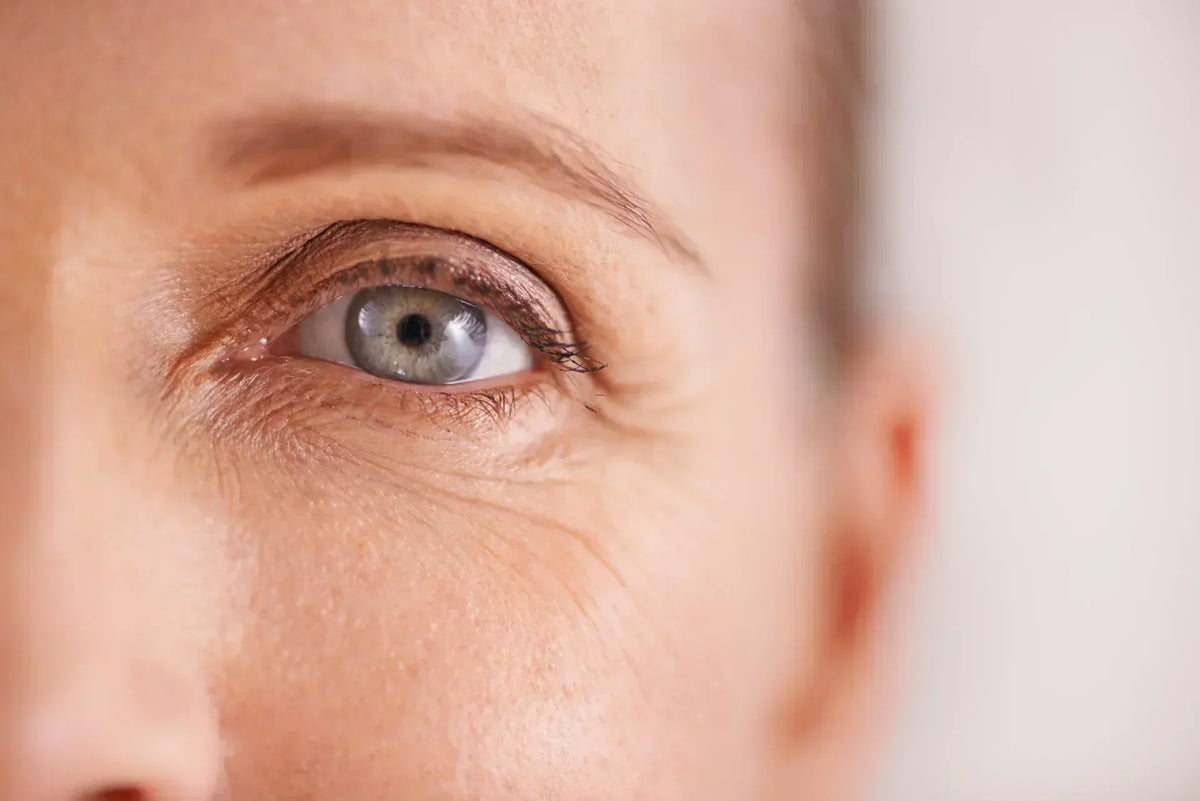
The area around the eyes is known as the periorbital zone. If the eyes are the mirror of the soul, then this area is their frame. Caring for it requires a gentle and consistent approach, as the skin is significantly thinner than the skin on the cheeks. Furthermore, like the neck, this zone lacks sebaceous glands, which makes it dry out faster and more susceptible to the aging process.
When you combine active facial expressions with chronic stress, an unbalanced diet, and a lack of sleep, it becomes clear what causes under-eye wrinkles. But what can you do when deep lines under the eyes have already appeared, and your face no longer looks youthful and radiant?
Anatomy, Biochemistry, and Lifestyle: Why Do I Have Lines Under My Eyes?
Wrinkles around the eyes can be categorized as follows:
- Expression lines are visible when we frown or when wrinkles appear under the eyes when smiling.
- Static wrinkles occur when elastin and collagen levels decline, making wrinkles under the eyes visible even at rest.
- Dehydration lines under the eyes are caused by transepidermal water loss.
- Dennie-Morgan lines are folds sometimes associated with allergies or atopic dermatitis (eczema).
- Certain hormonal or thyroid-related conditions may contribute to skin changes around the eyes.
It’s just a basic list of the types of under-eye wrinkles. In some cases, these are accompanied by sagging eyelids and the need for eye bag treatment. These eye lines become more pronounced with age and exposure to negative environmental factors.
If we look at the top reasons why under-eye wrinkles develop, lifestyle habits take the lead. Excessive squinting, smoking, alcohol, and the absence of daily SPF can significantly affect skin condition.
Choosing the Best Treatment for Under-Eye Wrinkles
| Age | Skin Condition | Optimal Treatment |
|---|---|---|
| 20–25+ | Superficial creases that are usually caused by a lack of moisture. | Deeply hydrating products with hyaluronic acid and antioxidants. Regular use of eye cream for fine lines and sunscreen. |
| 30–35+ | Loss of elasticity and tone; fine lines under the eyes are visible. | Light peels, retinol-based products, and under-eye treatments featuring peptides. |
| 45+ | Deep lines under the eyes and significant sagging. | In some cases, professional procedures such as RF-based treatments, laser therapies, fillers, or blepharoplasty may be considered after consultation with a qualified specialist. |
Home Care: How to Choose a Cream and Other Products?
Not all anti-wrinkle skincare products work equally well. To smooth out superficial and deep creases around the eyes, choose gentle products. The eye area is very delicate and sensitive, and the skin type here may differ from that on your cheeks or neck. That is why it is best to choose even your home care products in consultation with a dermatologist.
Generally, to smooth eye wrinkles, make them less noticeable, and keep the skin firm, look for products containing potentially effective ingredients.
Retinol in Creams and Serums
Since the eye area is so delicate, standard retinoids can be too harsh. Look for specialized forms, such as encapsulated retinol. This technology ensures the active ingredient is released slowly, minimizing the risk of stinging or irritation while still delivering results.
Peptides
Components like Acetyl Hexapeptide-8 and copper peptides are popular ingredients in anti-aging skincare formulas. That’s because, besides intensive skin nourishment, they may help soften the appearance of expression lines. These ingredients are commonly used in products designed to improve the appearance of fine lines around the eyes.

For example, the peptide-infused ESSENCE serum helps even out the complexion, strengthen the skin’s protective barrier, and support skin recovery.
Vitamins and Fruit Acids
Antioxidants generally act as an extra layer of protection against free radicals, helping to slow the appearance of wrinkles under the eyes. Also, Vitamin C helps even out skin tone and can help visually hide under-eye bags by making them appear lighter.

For instance, Plamine Hybrid Oil with Vitamin C and fullerene can be added to creams or used as a standalone product. These components nourish the skin and even out the tone, helping reduce the appearance of dark circles, not just smoothing surface lines.
Caffeine, Niacinamide, and Microcirculation Boosters
Sometimes, problems such as disrupted salt metabolism, lymph congestion, and other factors cause puffiness and bags under the eyes. Caffeine, horse chestnut extract, and niacinamide are ingredients that help support blood vessel walls, help support healthy-looking skin and reduce the appearance of puffiness.
Professional Procedures: How to Reduce Under-Eye Wrinkles?
Sometimes, a cream alone is not enough. In such cases, professional aesthetic treatments can help achieve the desired results:
- Botulinum toxin injections help relax facial muscles, helping reduce the appearance of wrinkles around the eyes.
- Hyaluronic acid-based under-eye wrinkle filler is the most popular option for filling deep creases and helping improve volume loss and skin hydration in the under-eye area.
- RF-Lifting. A hardware-based treatment that gently warms the skin. This way, it may help support collagen production. With devices like the Clione Fit 2.0, you can perform this under-eye treatment at home. In addition to RF technology, this device supports EMS, MFIP, UP, and LED therapy.
Blepharoplasty: A Radical Option to Remove Wrinkles
When comparing all available options for quickly removing wrinkles under the eyes, blepharoplasty is the most radical but also one of the most effective options. It is especially true for deep age-related wrinkles that are difficult to eliminate even with injections.
Blepharoplasty may help reduce the appearance of wrinkles, under-eye bags, and drooping eyelids. It is a procedure that truly helps create a more refreshed and youthful appearance, and its results are typically long-lasting.
Prevention: How to Prevent Eye Wrinkles?
Prevention is key - not only to delay the first signs of aging but also to keep fine lines around the eyes from turning into deep, permanent furrows.

Best preventative practices:
- Wear high-quality sunglasses in summer to avoid squinting, which can cause wrinkles under the eyes when smiling or frowning.
- Use sunscreen daily to protect against photoaging.
- Never skip your moisturizing routine to avoid dehydration lines under your eyes.
- Use treatments with nourishing ingredients, especially during seasonal changes.
Conclusion: Can You Completely Get Rid of Under-Eye Wrinkles?
With a comprehensive approach - combining quality prevention, expert home care, and professional wrinkle treatments for the eye area - your skin can remain healthy and firm for a long time. While aging is a natural process, the depth and visibility of wrinkles can be managed effectively using the methods mentioned above.
Note: This article is for general information purposes only and does not replace medical or dermatological advice. Aesthetic treatments should only be performed by qualified professionals.


