

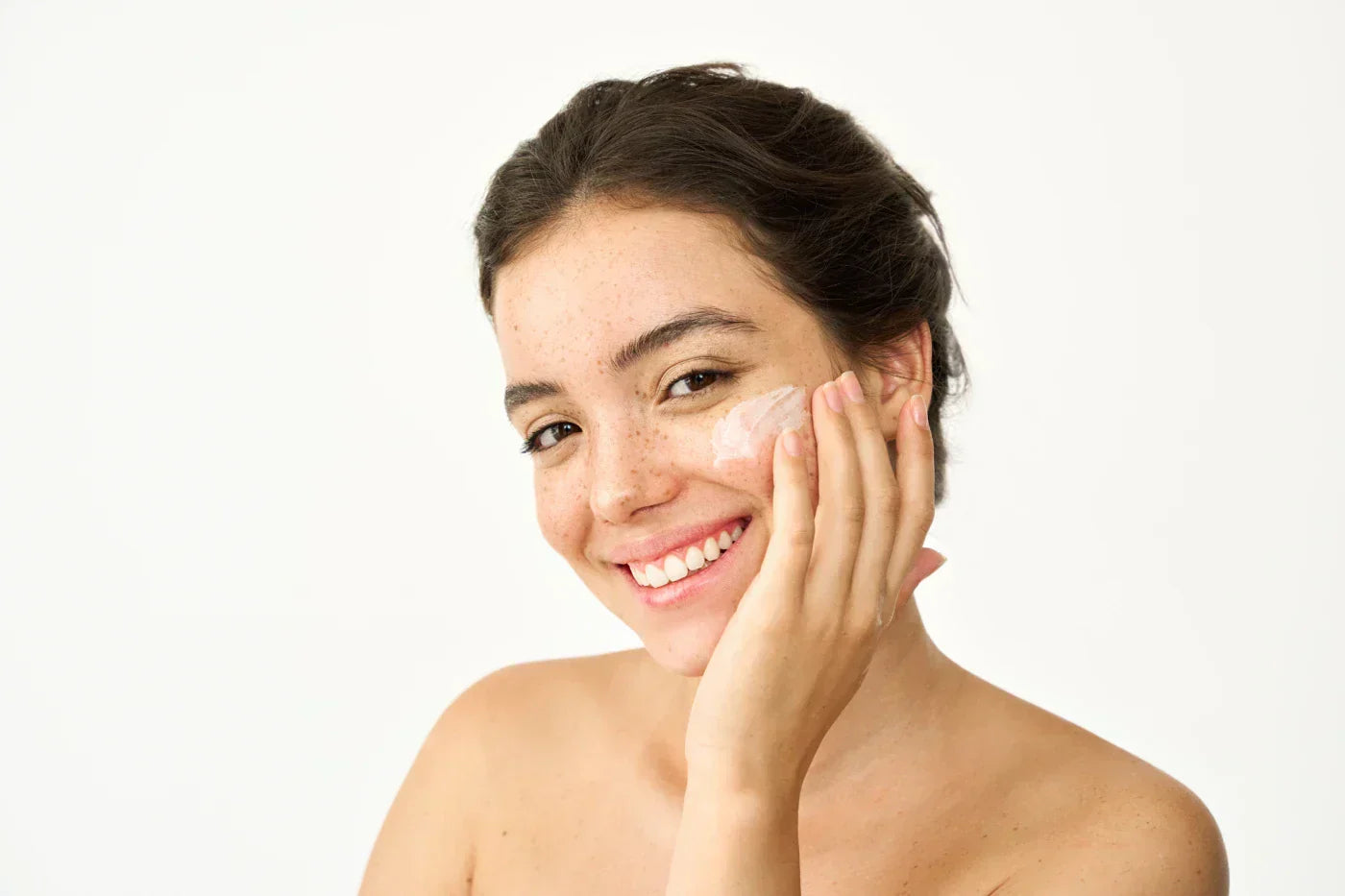
With the introduction of a product like facial serum in the beauty industry, the audience has split into two groups. Some believe that serum is better because it is much more effective. Others think that you can easily do without serum, but not without a face cream, and that buying both products is simply a waste of money. But is that really the case? Who is right? In fact, both sides are right. Although, to be completely honest, comparing these two skincare products directly is not entirely correct, as they serve different purposes.
In this article, we will examine how a serum differs from a cream and what results you can expect when using each product.

Rido/Shutterstock.com
What Are Cream and Serum?
A cream is a skincare product whose primary function is to protect the skin from environmental influences such as cold, dry or chilly wind, and other external factors. It acts like a “protective clothing” for the skin. In addition to providing protection, a cream moisturizes and softens the skin, prevents rapid moisture loss, strengthens the epidermal barrier, nourishes and restores it, mattifies the complexion, and works as an excellent base for makeup. Therefore, a cream works comprehensively on the surface level, preventing dehydration and protecting the hydrolipid mantle.
When choosing a cream, you should always consider your skin type, as texture, density, and the percentage of oil content vary significantly. A formula that works perfectly for dry skin may not suit oily skin and may even clog pores.
A serum, on the other hand, is characterized by a high concentration of active ingredients and a special texture that allows beneficial substances to penetrate into the deeper layers of the skin. Thanks to such a rich formula, it can address several specific skin concerns at once. Regular use of a serum provides intensive hydration, tightens pores, and reduces breakouts. It helps brighten pigmentation, soothes the skin, and gives it a healthy tone and natural radiance. In addition, a serum strengthens blood vessel walls and reduces visible couperose, smooths skin texture, and helps lift facial contours, making the skin smoother, firmer, and fresher.
Unlike cream, serum should be chosen according to the skin’s needs rather than the skin type. Factors such as current skin condition, age, and visible imperfections should be taken into account. You can start using serum as early as 20-30 years old.
How Do They Differ?
Serums are typically used as an intensive skincare step after cleansing due to their high concentration of active ingredients that address specific concerns, such as anti-aging care, lifting, or regeneration. They come in liquid, creamy, gel, or oil-based textures and are primarily applied to targeted areas after cleansing and toning. Creams, especially day and night creams, are designed to protect and moisturize the skin throughout the day or night. They have a thicker consistency and are applied as the final step after the serum has fully absorbed. When used together, the cream seals in the serum’s benefits and helps retain active ingredients, increasing the overall effectiveness of the skincare routine.
How to Use Cream and Serum
It's important to understand that cream is part of the basic daily skincare routine and should be used every day regardless of skin type or specific concerns. Its main role is to protect the skin from external factors, maintain moisture, and preserve the skin's natural balance. It is crucial to choose the right cream, as an unsuitable one may not only fail to help but may also cause harm.
There are day and night creams: day creams protect the skin from external influences, retain moisture, and often contain SPF, while night creams are more nourishing and focus on skin recovery and regeneration during sleep.
A serum is designed to target specific skin issues and should be used to correct them – whether it's dehydration, dullness, pigmentation, inflammation, or early signs of skin aging. Due to its high concentration of active ingredients, serum works more intensively and precisely than cream.
Typically, serum is used in a course to achieve noticeable results, but in some cases, such as chronic dryness or to maintain improvement, it can be used continuously.
If the skin is young and has no visible concerns, a basic cream may be enough. However, with age or when specific issues appear, such as dull complexion, pigmentation, or loss of elasticity, protection alone is not sufficient. In this case, a serum should be added as a course treatment. However, completely avoiding cream is not an option – without it, the skin loses moisture faster and becomes more vulnerable to external factors.
How to Combine Serum and Cream Correctly?

insta_photos/Shutterstock.com
Serum or Cream First – What’s the Right Order for Your Skincare Routine?
For maximum effectiveness, it is important to follow the proper order of application. First, cleanse the skin, then apply toner to restore pH balance. After that, apply a few drops of serum and gently distribute it across the face with your fingertips. Once the serum is fully absorbed (usually after 2–3 minutes), apply the cream, spread it evenly, and give it a moment to absorb.
If products are applied incorrectly – for example, if cream is applied before serum – active ingredients will not be able to penetrate deeply into the skin, and the skincare results will be minimal.
Conclusion
Cream and serum are not competing but complementary skincare products, each playing an important role in the skincare routine. The combination of both provides the most visible and long-lasting results. Serum works from within, activating the skin at a deeper level, while cream seals the results and protects the skin from the outside. Therefore, the question “what to choose: cream or serum?” is not entirely correct, as these products have different functions and methods of application. When combined and used correctly, both products reveal their full potential and help keep the skin healthy, nourished, and radiant.


