

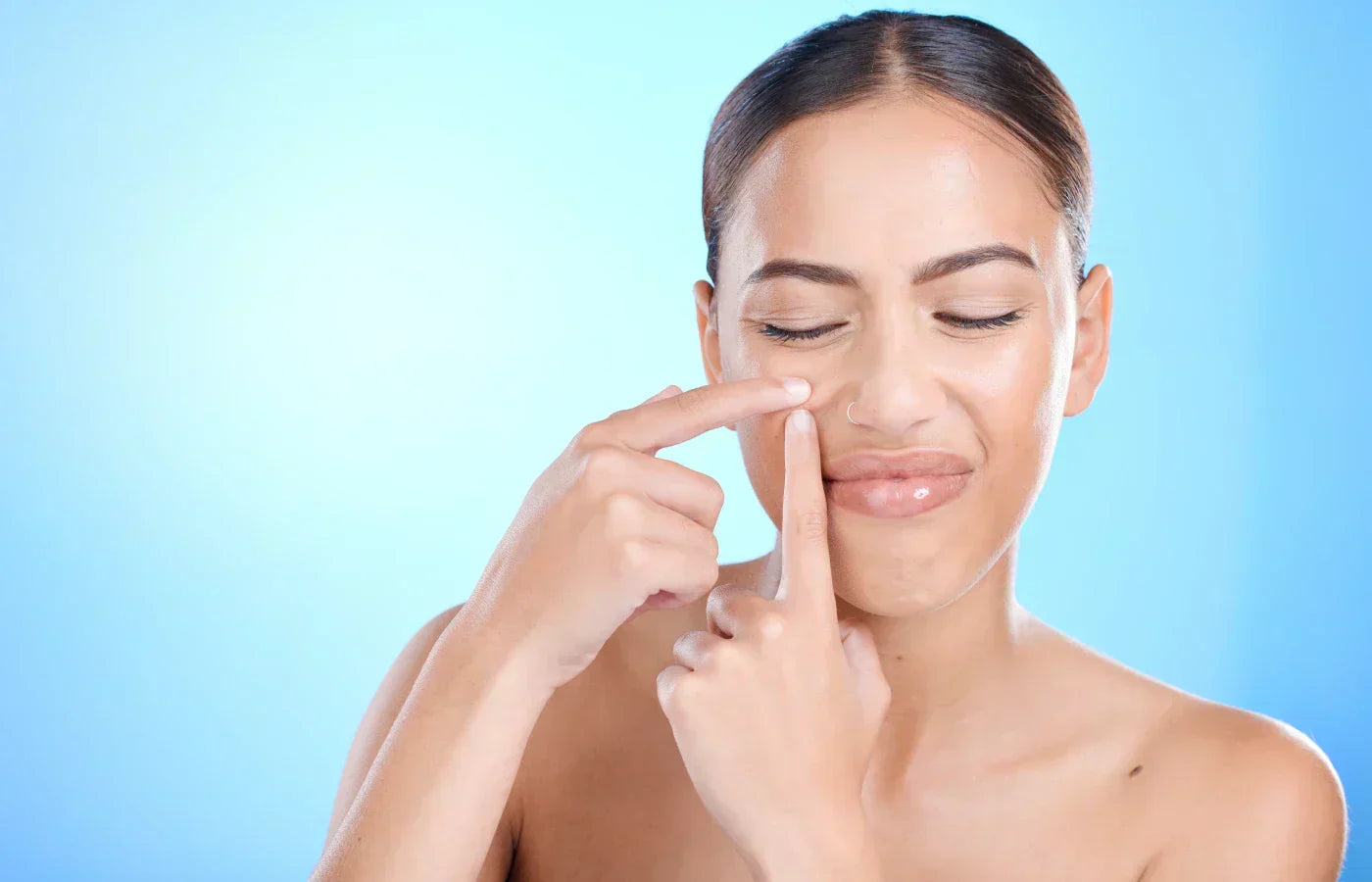
Problematic skin is not only a concern for teenagers – many adults also struggle with various aesthetic skin imperfections. Among the most common issues are blackheads and comedones. In this article, we explain the difference between these two related skin problems, why they appear, and how to remove blackheads and comedones effectively.
What Are Comedones and Blackheads?

gnepphoto/Shutterstock.com
Blackheads and comedones are enlarged or clogged pores filled with dead skin cells and sebum. They typically appear in the so-called T-zone – the forehead, nose, and chin – but can also occur on the back, neck, chest, and shoulders, where many sebaceous glands and hair follicles are located.
The formation of comedones is linked to two main processes: excessive sebum production and an increased shedding of skin cells. People with acne-prone skin often have sebum with lower levels of linoleic acid and other lipids that regulate keratinization. This deficiency leads to hyperkeratosis – a thickening of the outer skin layer. When too much sebum is produced, it cannot flow out freely. It mixes with dead cells, becomes thick, and clogs the follicle – resulting in a comedo.
What Is the Difference Between Blackheads and Comedones?
The main difference lies in the pore’s condition and appearance. Blackheads are open comedones – the sebum is exposed to oxygen, oxidizes, and turns dark, forming visible black spots on the skin’s surface. Closed comedones, on the other hand, remain beneath the skin, appearing as small, skin-colored or white bumps without a dark opening.
It is also important not to confuse blackheads with sebaceous filaments – a normal component of healthy skin that lines the inside of pores. Trying to remove them is unnecessary and often counterproductive. The goal should be to keep the pores clean so that sebaceous filaments remain invisible and do not turn into true blackheads.
Causes of Blackheads and Comedones
The main causes of comedones include hormonal imbalances and genetic predisposition. However, many other factors can influence skin health and contribute to the development of blackheads and comedones.
Hormonal Changes
Sebum production is regulated by male hormones (androgens). When their levels increase or the sebaceous glands become overly sensitive to them, excess sebum is produced. This is common during puberty and also occurs in women during hormonal fluctuations, such as during the menstrual cycle or pregnancy. In some people, comedones may appear even with normal hormone levels due to heightened gland sensitivity.
Genetic Predisposition
Studies show that people whose parents suffered from acne or comedones are more likely to experience similar skin problems. If both parents had acne-prone skin, the likelihood of developing comedones increases significantly.
Unhealthy Habits
Smoking and alcohol consumption negatively affect skin health. Nicotine constricts blood vessels, reducing oxygen and nutrient supply to the skin, which leads to dryness and dullness. As a result, pores clog more easily and comedones form. Alcohol dehydrates the body and burdens the liver, causing toxin buildup, inflammation, oily skin, and an increased risk of both open and closed comedones.
Improper Cosmetics
Some cosmetic products contain comedogenic ingredients that can clog pores and cause comedones. This is especially problematic for oily or acne-prone skin. To avoid this, choose products labeled as “non-comedogenic” and suited to your skin type. This helps maintain clean pores and prevents both open and closed comedones.
Stress
Chronic stress increases cortisol levels, which stimulate the sebaceous glands to produce more oil. The skin becomes greasier, pores clog faster, and comedones or inflammatory pimples appear. Stress also weakens the skin’s protective barrier and slows regeneration, making it more vulnerable to environmental damage.
Diet
The link between diet and skin condition remains debated, but for many people, diet plays a significant role. Excessive consumption of sweets, refined carbohydrates, and fast food can trigger hormonal imbalances and increase sebum production. Some people also react to high amounts of dairy or soy oil. As a result, the skin becomes oilier and pores get clogged faster, raising the risk of comedones.
Insufficient Skin Cleansing
Improper or insufficient skin cleansing leads to the accumulation of sebum, impurities, and dead cells, eventually forming blackheads. People with oily skin often use harsh cleansers containing alcohol, which strip the natural barrier and dry out the skin. In contrast, too mild cleansing leaves residues and bacteria behind. The key is a balanced routine – gentle yet effective cleansing to prevent clogged pores and new comedones.
How to Remove Comedones and Blackheads
If you notice blackheads, closed comedones, or other skin concerns such as dryness or flaking, it is best to consult a dermatologist or cosmetologist. A specialist can determine the cause and recommend the most suitable treatments.
Sebum-Regulating Masks
These masks help normalize sebum production and reduce the number of open comedones while preventing inflammation. They are often used after professional facial cleansing to stabilize the skin’s condition.
Instrumental Facial Cleansing
Instrumental or device-assisted facial cleansing uses ultrasound, laser, or vacuum technology to remove blackheads. The procedure is gentle, nearly painless, and suitable even for sensitive skin. It effectively clears pores and evens out skin tone. Typically, professional cleansing is recommended every one to two months, depending on skin type.
Chemical Peeling
Chemical peels are very effective in removing blackheads and improving skin texture. They use acids such as lactic or glycolic acid to dissolve dead cells and excess sebum, thus clearing comedones. The procedure should always be performed by a professional to avoid irritation or pigmentation. A course of several treatments provides long-lasting results and visibly clearer skin.
Phototherapy
Phototherapy (IPL) uses intense pulsed light to reduce inflammation and regulate sebum production. The light penetrates the skin, destroys acne-causing bacteria, and improves blood circulation. This helps the skin appear clearer, smoother, and less prone to new comedones. Typically, 5-7 sessions are needed for optimal results.
After the primary cleansing, LED therapy is also often used. It has anti-inflammatory effects, stimulates tissue regeneration, and helps normalize the function of the sebaceous glands. This treatment can also be performed at home using the innovative Clione Fit device, which additionally improves blood circulation, helps reduce nasolabial folds, makes the skin smoother and minimizes the appearance of wrinkles. It also enhances facial contours and increases the skin’s firmness and elasticity.
Conclusion
If you are dealing with blackheads or comedones, avoid experimenting with aggressive home remedies or unprofessional facial extractions. Improper treatment can worsen the problem and damage your skin. Instead, consult a specialist who can recommend the right combination of professional care and home maintenance to remove blackheads safely and achieve visibly healthier, clearer skin.


