

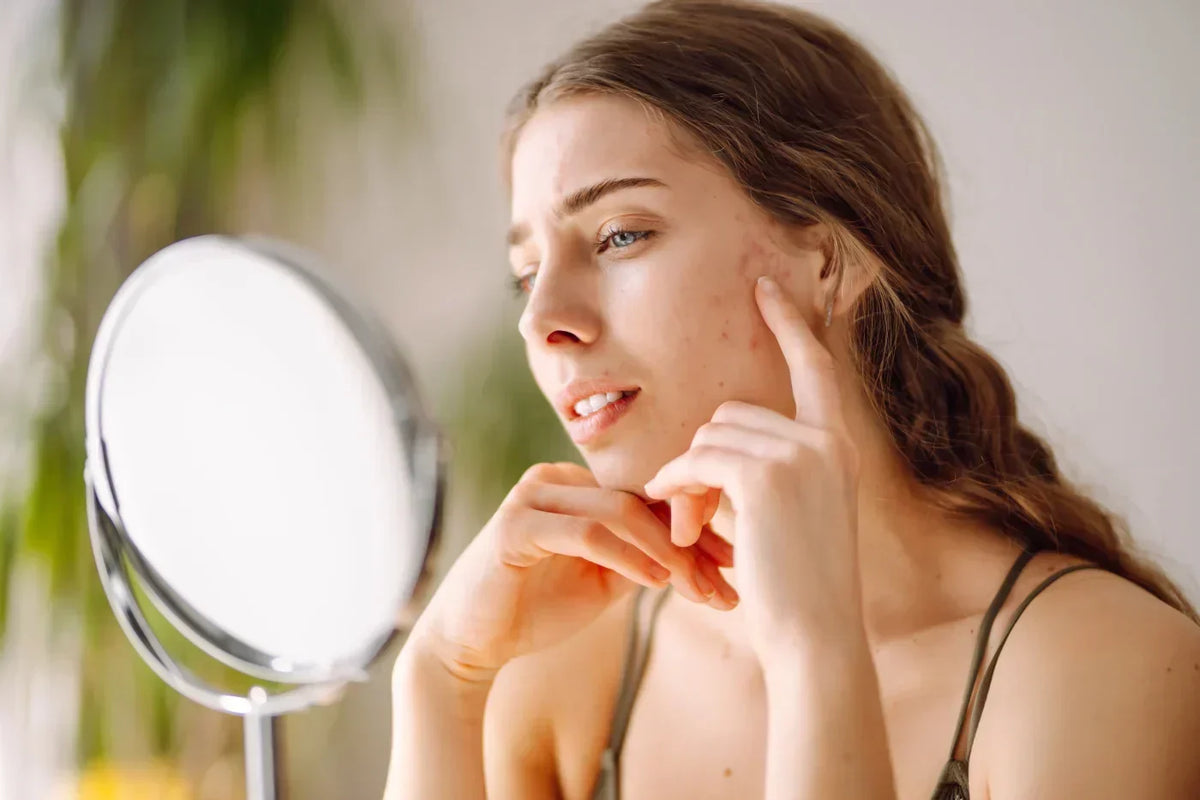
The skin is one of the largest organs of the human body. It performs numerous functions such as protection against environmental influences, regulation of water loss, heat storage, prevention of overheating, acting as an indicator of internal diseases, absorbing shocks and stretching, eliminating part of the toxins from the body, and much more. Despite this complex protective mechanism, the skin is not always in perfect condition – one of the most common problems people of all ages face is acne.
What Is Acne?

alexkoral/Shutterstock.com
Acne is a condition associated with increased sebum production and enlargement or blockage of the sebaceous glands. At the sites where the blockage occurs, Propionibacterium acnes proliferates. The bacteria trigger inflammation, leading to pimples. The condition most commonly affects the skin of the face, upper back, and chest, and less frequently the skin of the shoulders and upper arms.
The problem of acne is especially widespread during adolescence and appears as red inflammatory bumps, pustules, blackheads, or sometimes cysts. Today, however, many adults also suffer from acne. The condition can also occur in athletes who use steroid supplements.
Causes of Acne
Genetics
The tendency to develop acne can be genetically determined. This means that the predisposition to skin impurities can be inherited from parents or even more distant relatives. Scientists have identified genes involved in the development of acne that regulate sebaceous gland function, sebum production, and the immune response of the skin to bacteria. If parents experienced frequent skin problems during adolescence or adulthood, their children are significantly more likely to be affected as well.
Genetic factors can also influence skin thickness and density, susceptibility to keratinization disorders (hyperkeratosis), sensitivity to hormonal changes, and the speed of skin regeneration. This explains why some people maintain clear skin even with minimal care, while others experience recurring inflammation despite careful hygiene and a balanced diet.
Incorrect Skincare
Incorrect skincare is one of the most common causes of acne. Many people choose cosmetic products based on advertising or recommendations from friends, without taking into account the individual needs of their skin. Using products that are too aggressive, alcohol-based toners, or heavy comedogenic creams can disrupt the skin’s natural balance. This leads to dryness, excess sebum production, clogged pores, and inflammatory reactions.
It is important to select basic skincare products according to the skin type. For oily or combination skin, lightweight non-comedogenic formulations are recommended, as they regulate sebum production and cleanse the pores without causing dryness. For dry and sensitive skin, gentle sulfate-free cleansers and moisturizing creams with regenerating ingredients such as ceramides or hyaluronic acid are beneficial.
Consistency is just as important: gentle cleansing in the morning and evening, hydration, sunscreen when the UV index is high, and regular gentle exfoliation support skin condition and help prevent new breakouts. Even the most effective skincare products bring little benefit if they are used irregularly or in unsuitable combinations.
Psychological and Emotional State
It is well known that stress has a noticeable impact on skin condition, especially in people with acne. Under emotional or physical stress, the body produces increased levels of stress hormones – primarily cortisol. This rise stimulates sebaceous gland activity, resulting in excess sebum production. Excess sebum creates ideal conditions for the proliferation of Cutibacterium acnes and promotes pore blockage.
Stress also weakens the skin barrier and slows down regeneration. Even mild inflammation heals more slowly, and the skin becomes more sensitive to external irritants. Chronic stress intensifies inflammatory processes in the body, leading to more severe and painful breakouts. Therefore, stress is an important and often underestimated factor that negatively affects acne.
Medications
Certain medications such as corticosteroids, anabolic steroids, antiepileptics, antidepressants, or some forms of hormonal contraceptives can cause or worsen acne. They affect sebum production, the hormonal balance, or keratinization processes in the sebaceous glands, which results in clogged pores and inflammation.
After discontinuation of the medication, the skin condition usually normalizes gradually; however, in some cases, additional acne treatment under dermatological supervision may be necessary.
Hormonal Disorders and Hormonal Acne Treatment
Hormonal disorders have a direct impact on the development of acne, because hormones regulate sebaceous gland function. When androgen levels (male hormones present in all people) increase or the hormonal balance is disrupted, the sebaceous glands produce more sebum. Sebum mixes with dead skin cells, clogs pores, and creates optimal conditions for inflammation.
Such hormonal fluctuations most commonly occur during adolescence, the female menstrual cycle, pregnancy, postpartum periods, when taking hormonal medications, or in endocrine disorders such as polycystic ovary syndrome or adrenal dysfunction. Hormonal acne often appears as deep, painful inflammation in the lower facial area, on the chin and neck. In these cases, targeted hormonal acne treatment may be necessary.
When Should You See a Doctor?
A few occasional pimples do not automatically indicate acne: skin impurities can also appear as a natural reaction to hormonal fluctuations, stress, the premenstrual period, or temporary skincare adjustments. However, if inflammation is frequent, painful, persistent, spreading, or leaves visible scars, a dermatologist should be consulted. The doctor can help identify the cause, exclude hormonal or inflammatory conditions, and select an individual acne treatment to prevent complications and improve skin condition.
Skincare for Acne

sergey kolesnikov/Shutterstock.com
The most important step in caring for acne-prone skin is cleansing. In the morning, a gentle gel or cleansing foam is sufficient. In the evening, a two-step cleansing routine is recommended, using cleansing oil followed by a gentle face wash, especially if makeup was worn.
After cleansing, restoring the skin’s pH level is essential – an alcohol-free toner supports a healthy skin barrier and enhances the effectiveness of the following skincare products.
The next step is hydration. A healthy skin barrier and sufficient hydration help regulate sebum production and reduce inflammation. Lightweight formulas designed specifically for acne-prone skin are ideal.
Spot treatments – creams, gels, or acne patches – can also be helpful, as they accelerate the healing of local inflammation and protect the skin from additional irritation.
For deeper care, gentle masks or exfoliating treatments once or twice a week remove dead skin cells and reduce the risk of clogged pores.
The final step is sunscreen. SPF is required daily whenever the UV index is above 1. This is especially important when using retinol or acids, as UV exposure intensifies inflammation and can cause hyperpigmentation.
Preventing Acne
Since hormonal changes are the main cause of acne, there is no method that can completely prevent it. Nevertheless, symptoms can be reduced if certain rules are followed at the first signs of breakouts:
Do Not Squeeze Pimples
Squeezing pimples worsens the condition due to an increased risk of infection. Mechanical pressure on inflamed skin leads to tissue damage, promotes the spread of bacteria, and intensifies inflammation. Additionally, squeezing can cause deeper skin damage, resulting in scarring, post-inflammatory hyperpigmentation, or long-lasting redness – these heal much slower than the original pimple.
Many people mistakenly believe that removal accelerates healing, but in most cases it prolongs the process, intensifies inflammation, and complicates acne treatment. Instead, localized products with antiseptic or anti-inflammatory effects are recommended, or if necessary, professional extraction by a dermatologist or cosmetologist.
Adjust Your Diet
This recommendation is not universal, as everyone reacts differently to food. However, certain foods can increase inflammation, trigger hormonal fluctuations, or stimulate sebum production in some individuals, making acne worse. These frequently include refined carbohydrates, sugar, dairy products, fried foods, and fast food. However, this does not mean that such foods will worsen acne in every person – much depends on metabolism, hormonal balance, gut health, and skin sensitivity.
To determine which foods affect your skin, it can be helpful to keep a food diary and observe changes in the skin after certain meals. If noticeable correlations are found, these foods can be reduced or gradually eliminated. In more complex cases, consulting a dermatologist or nutritionist may be beneficial to develop an individualized anti-inflammatory diet plan.
Reduce Stress
Stress cannot be fully avoided in everyday life. Therefore, it is important to minimize its effects on the body. Regular physical activity, outdoor walks, breathing exercises, meditation, and adequate sleep help lower cortisol levels and improve skin condition. Small daily habits – such as light stretching, relaxing music, a warm bath, or a hobby – can noticeably reduce stress and calm the skin. It is essential to listen to your body and choose methods that provide a sense of relaxation and well-being.
Conclusion: How to Get Rid of Acne Effectively

maxbelchenko/Shutterstock.com
Acne is a complex skin condition influenced by genetics, hormones, skincare, lifestyle, and emotional stress. There is no universal acne treatment, but regular care, gentle cleansing, hydration, stress management, and mindful nutrition can significantly improve the skin condition. If inflammation is persistent or painful, it is important to consult a dermatologist to identify the cause and choose an individualized hormonal acne treatment. With a careful and holistic approach, acne can be well controlled, and the skin gradually regenerates.


