

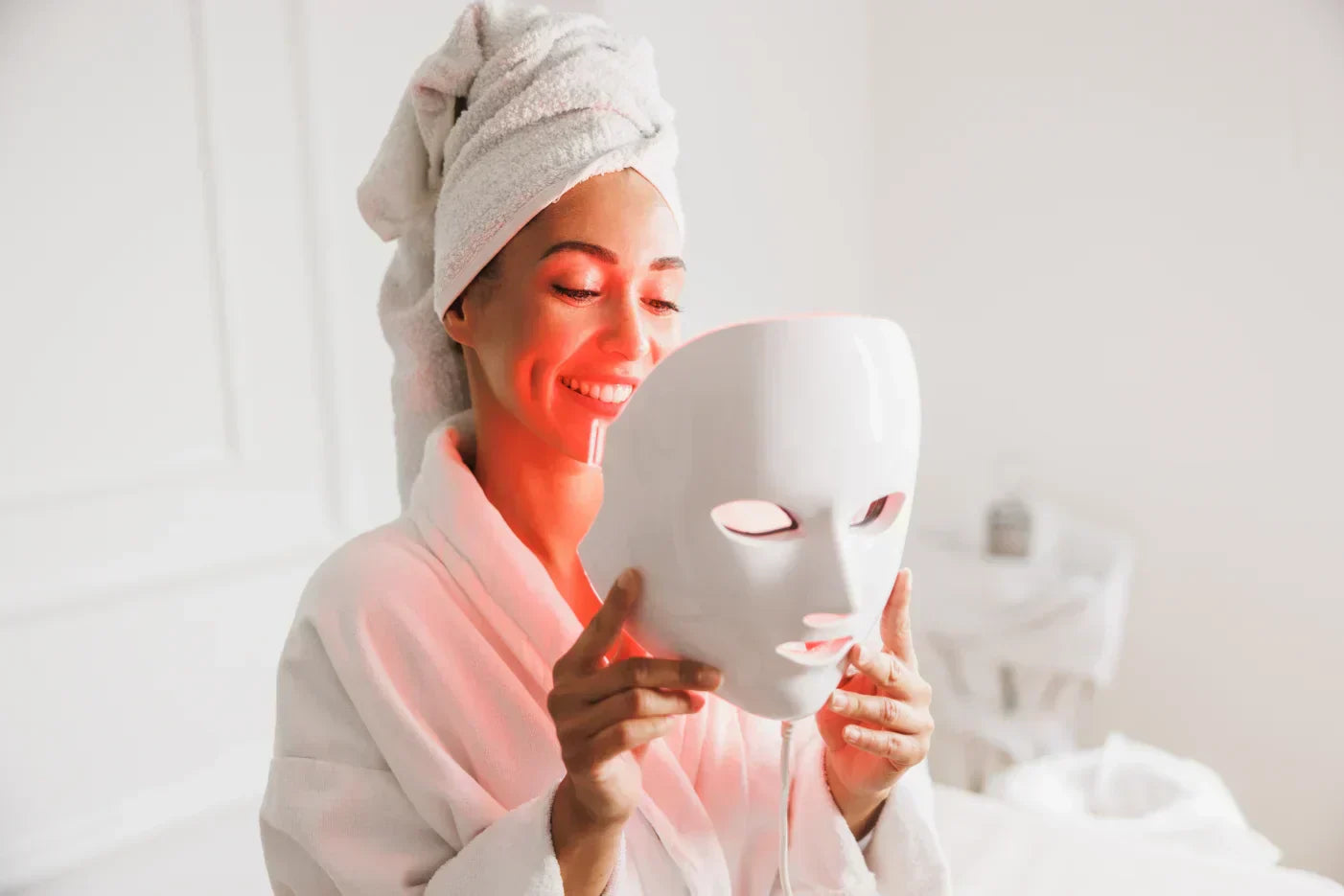
Modern beauty technology keeps evolving. Not long ago, effective cosmetic treatments were available mainly in clinics and salons, but today high-performance skincare has moved into our homes thanks to innovative beauty devices. Just as an LED hairbrush is used to support hair growth and strengthen hair follicles, LED technology is now widely applied to facial skincare as well.
An LED face mask has become a real breakthrough in the beauty industry. Phototherapy based on light waves of different wavelengths has long been used in medicine and cosmetology to support the treatment of skin concerns, speed up tissue regeneration, and improve signs of aging. Now this technology is accessible to anyone who wants healthier, younger-looking skin without invasive procedures.
In this article, we will take a close look at how LED light therapy works, what results you can expect, and how to choose and use an LED facial mask correctly at home.
What Is an LED Face Mask?
An LED face mask is an innovative visible-light skincare technology and a tool used in light-based therapy. Unlike traditional cosmetic masks, an LED skincare mask does not contain creams or serums - its effectiveness comes from light energy alone.

MilanMarkovic78/Shutterstock.com
A modern LED light therapy mask is an ergonomic device designed to follow the contours of the face. Inside, it can contain hundreds or even thousands of LEDs. These tiny light sources emit waves at specific wavelengths that reach different layers of the skin and activate natural recovery and renewal processes.
LED light therapy is generally considered gentle and non-invasive. The light waves work softly, supporting cellular metabolism on a biochemical level.
How Do LED Masks Work?

carlos castilla/Shutterstock.com
The principle behind an LED facial mask is photobiomodulation - the ability of light energy to influence biological processes in cells. When light waves of a certain wavelength reach the skin, they are absorbed by mitochondria, often called the “energy stations” of cells. As cellular energy increases, a cascade of positive processes can begin: collagen and elastin synthesis may be supported, microcirculation can improve, detox processes may become more active, and oil gland activity can be balanced. The result can be noticeable improvements in the overall look and feel of the skin.
What Can an LED Face Mask Do?
An LED face mask works depending on the chosen light spectrum, but its overall potential is impressive. With consistent use, it can support a wide range of skincare goals - from helping with breakouts to improving visible signs of aging.
For problem-prone skin, light therapy can be a valuable addition: it may reduce the appearance of inflammation, help regulate excess sebum, and support the healing of post-acne marks.

An LED face mask for skin rejuvenation can also address more complex concerns such as loss of firmness, dull tone, hyperpigmentation, visible redness, and sensitivity. The skin may look more radiant, fresh, and well cared for. Many users also report a subtle lifting effect and improved facial contours over time.
How Do Light Waves Work?
Each color in the light spectrum has its own wavelength, which means it penetrates to a different depth and influences different skin processes. This makes it possible to personalize your routine depending on your skin’s needs.

MilanMarkovic78/Shutterstock.com
Red light with a wavelength of 620–750 nm penetrates deeper - up to about 8–10 mm. It can support fibroblast activity, which is linked to collagen and elastin production, enhance microcirculation, and encourage tissue recovery. Red light is especially popular for LED anti-aging face mask routines and for supporting the skin after intensive treatments.

MilanMarkovic78/Shutterstock.com
Blue light (450–495 nm) works more on the surface layers of the epidermis. Its key benefit is a bactericidal effect. Blue light can help reduce acne-related bacteria (Propionibacterium acnes), balance oil production, and visually refine enlarged pores.

Inna photographer/Shutterstock.com
Green light (495–570 nm) targets the mid-layers of the skin and is often used to support a more even-looking complexion. It may help reduce the appearance of spots and freckles and soothe sensitive skin. Yellow and orange tones are commonly associated with improving the look of puffiness by supporting lymphatic flow and helping the skin look more refreshed.
Which Light Is Best for LED Therapy?
Your choice of light mode depends on your goals and your skin type. The best LED face mask usually offers multiple modes or combinations, allowing you to customize each session.
For younger, acne-prone skin, blue light combined with red light is often considered a practical option. Blue light targets acne-related bacteria, while red light supports recovery and can help reduce the risk of lingering marks. Red light is also widely used for mature skin with wrinkles and reduced firmness. Many devices combine red with near-infrared light to support deeper comfort and potentially enhance results.
If your main concern is pigmentation and uneven tone, green or yellow light modes may be a good fit. For sensitive skin prone to redness, green light is often chosen for its calming effect. For general maintenance and prevention, multi-color programs that blend several spectra in one session can be a convenient choice.
How Is a Home LED Mask Different from a Professional One?

Evgenyrychko/Shutterstock.com
The biggest differences are intensity and the number of LEDs. Professional devices in clinics are usually more powerful, sessions take less time, and results may appear faster. However, modern home devices have significantly narrowed the gap.
High-quality home LED masks can include a strong number of LEDs (often 200 to 1000+) and may deliver reliable results with consistent use. The main advantage of at-home care is convenience. You can do sessions in a comfortable setting, at a time that suits you, without appointments or travel.

Evgenyrychko/Shutterstock.com
When choosing between professional and home treatments, consider how intense your skin concerns are. For pronounced aging changes or serious dermatological conditions, it may be best to start with professional sessions under the supervision of a specialist. For maintenance, prevention, and moderate concerns, a home LED mask for face can be an ideal addition to your routine.
Do You Need Skincare Products Before and After?
Before using an LED face mask, it is strongly recommended to cleanse the skin thoroughly to remove makeup, impurities, and excess oil. Clean skin absorbs light more evenly, which can make the results more noticeable.
A gentle exfoliation one day before a session can help remove dead skin cells and support better light penetration. However, avoid harsh scrubs right before your session - your skin should feel calm and not irritated.
Special products are not mandatory, but they can enhance the experience. Many brands suggest applying a lightweight hydrating serum with hyaluronic acid, antioxidants, or other actives before the session. Light energy may help improve the skin’s absorption of certain ingredients.
After the session, you can apply your favorite moisturizer or soothing mask. At this time, the skin may feel especially receptive, so your skincare can work more effectively.
LED Face Mask: Effects on the Skin
The mask can visually support clearer pores and improved microcirculation, which may help the skin absorb beneficial ingredients better and contribute to a healthier, more youthful-looking appearance.
Best LED Face Mask: Key Selection Criteria
The idea of “best” is always personal, but there are objective quality criteria. A good LED light therapy mask should deliver consistent performance, be safe to use, and feel comfortable during sessions.
Expected benefits from a high-quality device may include improved texture and tone, fewer visible fine lines, better firmness, reduced signs of inflammation, and a more even-looking complexion. Many people notice first changes within 2–3 weeks of regular use, while a more stable result typically appears after 1–2 months of consistent sessions.
What to Look for When Choosing an LED Mask
The number of LEDs directly affects coverage and overall efficiency. A practical range is often 200 to 1000 LEDs distributed evenly across the mask. The more LEDs there are, the more complete the facial coverage and the more balanced the exposure.
Light modes are another important factor. At minimum, many users look for three key colors: red, blue, and yellow (or green). Effectiveness can increase if the device offers 5–7 modes, including combined programs.
An LED face and neck mask with an additional neck attachment is a great option for comprehensive rejuvenation, as the neck can show signs of aging as quickly as the face.
Power type influences convenience. Wired models are often more affordable, but cordless, rechargeable devices offer greater flexibility - you can use them anywhere without staying close to an outlet. Battery quality also affects the long-term usability of the device.
Safety and certification are essential. Make sure the device has recognized quality and safety certifications, especially if you plan to use it regularly.
LED Face Mask Instructions
Instructions may vary slightly from model to model, but the key principles are similar for most devices.
How to use an LED face mask at home
Start with thorough cleansing using a gentle gel or foam cleanser. Pat your skin dry, but you may leave it slightly damp - some users find this improves comfort and light conduction. If you wish, apply a thin layer of hydrating serum.
Put on the mask and ensure it fits closely without gaps. Secure the straps if your model includes them. Close your eyes or use the protective eye shields included in the set.
LED Face Mask: How to Use It Safely
Most modern devices include eye protection, but extra caution is always a good idea.
Select the light mode that matches your goal. A typical session lasts about 10–20 minutes depending on the device intensity. Many masks turn off automatically at the end of the program. During the session, you can relax, listen to music, or meditate.
After the session, gently remove the mask and apply a moisturizer or serum. A light massage can help boost comfort and support lymphatic drainage for a fresher look.
How to Use an LED Face Mask for Maximum Results
For best results, it is usually recommended to use the mask regularly, about 2–3 times per week. A standard course often lasts 8–12 weeks. After that, you can switch to a maintenance routine of 1–2 sessions per week.
LED Face Mask Contraindications
Although LED therapy is considered gentle, there are situations where it is better to avoid it. LED face mask contraindications include several important points you should consider before starting.
Absolute contraindications are conditions where light therapy is not recommended. These include active cancer conditions, epilepsy and certain neurological disorders where light flashes may trigger seizures, active herpes outbreaks, and other acute infectious skin conditions.
Contraindications can also apply during pregnancy and breastfeeding - not necessarily because harm is proven, but because there is limited research in these groups. Taking photosensitizing medications that increase sensitivity to light can also be a limitation.
Relative contraindications require professional advice. These may include severe acne with widespread inflammation, rosacea flare-ups, recent invasive cosmetic procedures (peels, laser resurfacing), thyroid conditions, and individual sensitivity to light.
Before using an LED face mask, consult your doctor or dermatologist, especially if you have chronic conditions, take medications, or have recently had cosmetic procedures.
When Is It Better to Postpone a Session?
Temporarily avoid using the mask if you have acute inflammation, pus-filled breakouts, open wounds, or abrasions on the face. Wait until healing occurs to reduce the risk of irritation or spreading infection.
Right after active tanning or sunburn, the skin is more vulnerable. Give it 2–3 days to recover before using LED therapy. LED face mask side effects are usually linked to incorrect use or ignoring contraindications; when instructions are followed, sessions are typically well tolerated.
If you notice increased redness, itching, burning, or any unusual reaction after a session, stop using the device and consult a dermatologist. Such cases are rare, but individual sensitivity is possible.
LED Face Mask Reviews
Overall, reviews tend to be positive. Users often mention visible improvements such as smoother texture, fewer signs of inflammation, and a fresher look with improved firmness.
However, LED facial mask reviews can also include critical feedback. Some people do not see the results they expected - especially with irregular use or unrealistic expectations. It is important to remember that LED therapy is not instant magic; it is a cumulative method that requires consistency.
Reviews sometimes mention discomfort with certain designs, insufficient power in budget models, or quick battery drain. That is why it is important to compare specifications and read real feedback about the exact model you plan to buy.
LED Face Mask Dermatologist Reviews
Expert opinions and LED face mask dermatologist reviews are mostly positive. Specialists often recognize light therapy as a supportive method for skincare and prevention of visible aging, but they emphasize that it requires patience and regular use. Light therapy can enhance other treatments and may help the skin recover more efficiently.

andreonegin/Shutterstock.com
Experts also warn that home devices do not replace professional treatments for serious skin conditions, but they can be a great choice for maintenance, prevention, and moderate concerns. Dermatologists highlight that the method is generally safe when contraindications are respected and often present LED therapy as an alternative to more aggressive approaches.
Reasons to Buy an LED Face Mask
An LED light therapy mask is an investment in long-term skin health and beauty. The technology has shown benefits both in clinical settings and for home use. With regular sessions, it may help slow down visible aging, improve overall skin quality, and address multiple concerns without injections or surgical procedures.
The key advantages of LED therapy include non-invasiveness, no downtime, multi-target support for different skin issues, suitability for many age groups, and compatibility with other skincare products and treatments. Compared to salon sessions, a home device can pay off after just a few months of consistent use.
Choose a high-quality device from a trusted manufacturer, follow LED face mask instructions, use it consistently - and your results will be more likely to reflect the effort. Healthy, radiant-looking skin with fewer visible signs of aging is achievable for anyone willing to dedicate a little time and attention to their routine.


