

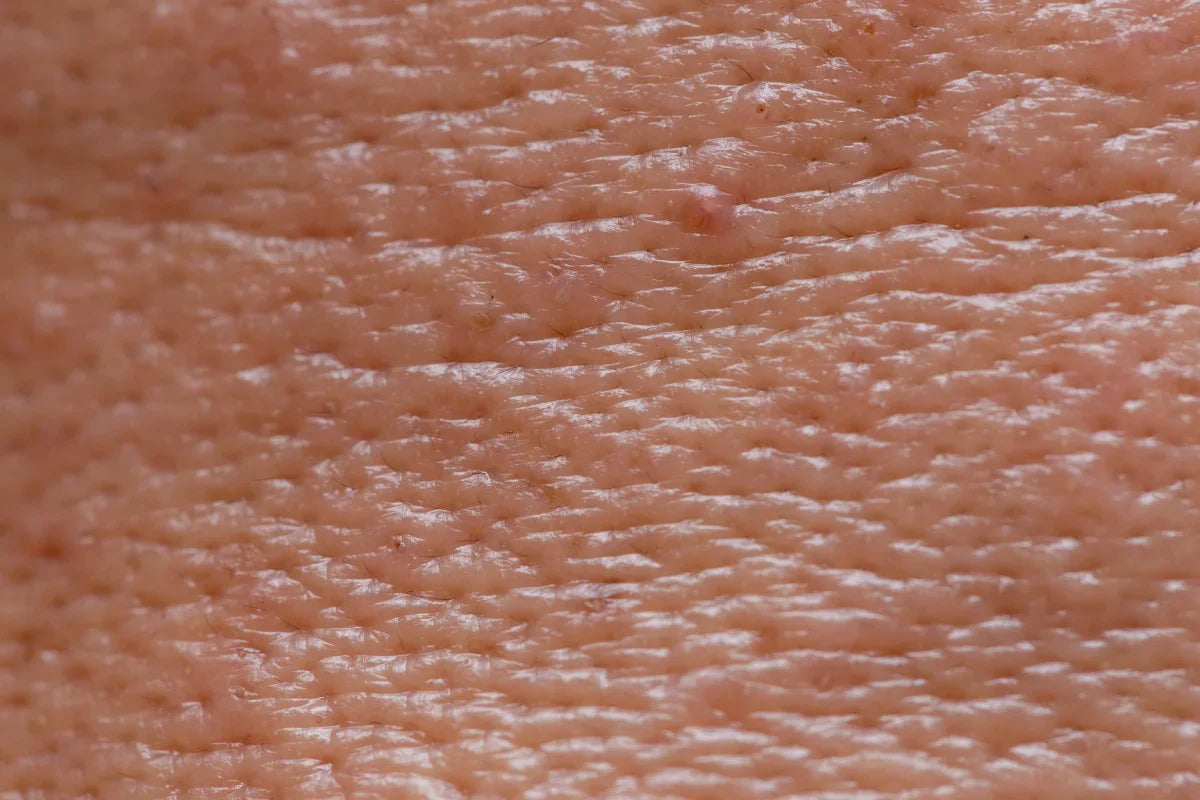
Oily skin concerns millions of people all over the world. The persistent shine, enlarged pores, and tendency toward breakouts can feel frustrating. That is why it is a good idea to learn why your skin produces excess oil. Such knowledge helps you to manage your skin effectively.
Sebaceous glands in your skin are in charge of producing sebum - a substance that feels waxy and oily. This is necessary to protect and moisturize the skin. When these glands over-react, they create more sebum than necessary. The result? A greasy skin appearance that many find bothersome.
Oily Skin Definition
We define skin as oily when its sebaceous glands demonstrate excessive amounts of sebum production. Natural oil plays an important role - it protects your skin barrier by locking in moisture to protect your skin against negative environmental impact. But as soon as it is too much, it creates problems.

People with oily skin notice their face develops a shiny layer within hours of washing. This oily face condition frequently pairs with enlarged pores and acne-prone areas. The T-zone - forehead, nose, and chin - these are the most affected areas to show oil production.
Causes of Oily Skin
Multiple factors contribute to the production of sebum whenever we have an excess of it. Among these, genetics are the most significant. If your parents had oily skin, you likely inherited overactive sebaceous glands.
Hormones strongly influence oil production. Androgens, mainly testosterone, and dihydrotestosterone, trigger sebaceous glands to enlarge and produce more sebum. This explains concerns like “why is my face oily?” while living through such periods as one’s puberty, pregnancy, and menstrual cycles. That is the period when hormone levels fluctuate.
Climate affects sebum output. Research shows skin produces more oil during warmer, humid seasons. Studies document increased sebaceous activity in spring and summer compared to autumn and winter months.
Diet may play a role, though research continues. Some experts suggest the increased sebum production correlates with the use of some high-glycemic foods and dairy products. The connection between what you eat and the way how to reduce oily skin warrants consideration in your overall approach.
Another trigger - stress that results in cortisol release. The process can stimulate oil production. When cortisol levels rise, sebaceous glands respond by increasing activity.
Using harsh products paradoxically worsens oiliness. Any time you provoke the glands’ compensatory function to produce even more sebum by applying aggressive cleansing products - you strip your skin of natural oils. This creates a frustrating cycle where oily skin feels impossible to control.
Signs of Oily Skin
Recognizing oily skin involves more than just feeling greasy. Key indicators include a shiny appearance across the face, particularly in the T-zone. This shine develops quickly after cleansing.

Enlarged, visible pores characterize oily skin. Excess sebum production correlates with larger pore size, especially on the nose and cheeks. These enlarged openings become more apparent when filled with oil and debris.
Makeup slides off or appears patchy by midday. Oil breaks down cosmetics, preventing proper adherence to skin.
Frequent breakouts indicate excess sebum combining with dead skin cells and bacteria in pores. This creates an environment where acne thrives.
Blackheads develop when oil and dead cells oxidize in open pores. The dark appearance comes from exposure to air, not dirt.
Caring for Oily Skin
Managing oily skin requires a consistent, balanced approach. The goal isn't eliminating all oil - your skin needs some sebum for health. Instead, aim to regulate production and remove excess without triggering compensatory overproduction.
Cleansing
Proper cleansing forms the foundation of skincare for oily skin. The best skincare for oily skin approach starts with effective yet gentle removal of excess oil, dirt, and impurities.
A quality cleansing foam works exceptionally well for oily skin types. Foam formulations effectively lift away sebum and debris without leaving residue. Unlike cream cleansers that may add moisture oily skin doesn't need, foams provide thorough cleansing while maintaining lightness.

The Plamine Washing Foam offers gentle yet effective cleansing specifically formulated for oily and combination skin. Its light texture removes excess sebum without stripping your skin's protective barrier.
Cleanse twice daily - morning and evening. Morning cleansing removes oil accumulated overnight. Evening cleansing eliminates the day's buildup of sebum, pollution, and cosmetics.
Use lukewarm water. Hot water stimulates oil production and damages the skin barrier. Cold water doesn't effectively remove oil.
Pat skin dry with a clean towel. Rubbing irritates skin and may trigger more oil production.
The face wash for oily skin you choose matters. Look for gel or foam formulations containing salicylic acid, which penetrates pores to dissolve oil and prevent buildup. Niacinamide helps regulate sebum production. Avoid products with sulfates, which strip skin aggressively and cause rebound oil production.
An oily skin face wash should cleanse without leaving skin feeling tight or dry. That tight sensation indicates you've removed too much oil, prompting glands to overcompensate.
Restoring pH Balance
After cleansing, your skin's pH level shifts from its natural slightly acidic state. A toner or clarifying lotion restores this balance, preparing skin for subsequent products.

The Clear Lotion functions as more than a simple toner. This preparatory step normalizes pH after cleansing, removes any remaining traces of impurities, and refines pores.
For oily skin routine, incorporating a pH-balancing step prevents the skin from producing extra oil to correct pH imbalance. When pH sits at the optimal slightly acidic level, skin's natural antimicrobial properties function better, reducing bacteria that contribute to acne.
Apply toner with clean hands or a cotton pad. Gently pat into skin - no rubbing or harsh application needed.
This step also enhances absorption of products applied afterward. Well-balanced skin accepts serums and moisturizers more effectively.
Light Moisturizing
The idea that oily skin doesn't need moisturizer is a common misconception. As soon as your skin lacks hydration, it produces more oil - to compensate for such a lack. This is the cycle that is vicious.
Choose lightweight, non-comedogenic moisturizers. These formulations hydrate but do not tend to clogging pores or adding greasiness. Gel-based moisturizers work particularly fine for oily skin types.
Involve the ingredients like hyaluronic acid, which hydrates without weight. Niacinamide not only moisturizes but also helps to maintain the appropriate sebum production level over time.
Make sure you apply moisturizer while skin is still slightly damp from toner. This locks in moisture better.
Dehydration also affects oily skin - don't confuse oiliness with hydration. Skin can simultaneously be oily and dehydrated, a condition that paradoxically increases oil production as skin tries to compensate for water loss.
Exfoliation and Pore Cleansing
Regular exfoliation prevents dead skin cells from combining with sebum, this leads to pores clogging. However, frequency matters. Over-exfoliating would serve a trigger for irritation and make oil production increase.
For oily skin, exfoliate 1-2 times weekly. Chemical exfoliants generally work better than physical scrubs. Salicylic acid (BHA) penetrates oil-filled pores effectively. Alpha hydroxy acids (AHA) like glycolic acid help with surface cell turnover.
Face masks to be used with oily skin are typically designed having clay or charcoal content. The task for these products is to draw out impurities from pores while absorbing the excess oil.
Clay masks work by binding to oil and debris. Kaolin and bentonite clays are particularly effective for oily face conditions. Use these masks 1-2 times weekly for best results.
After applying a purifying mask, you'll notice temporarily reduced shine and refined pores. Regular use maintains clearer, more balanced skin.
Don't leave masks on longer than directed. Overdoing it leads to excessive dryness, triggering rebound oil production - the opposite of your goal.
Skin Protection
How to prevent oily skin from worsening methodics involves consistent protection throughout the day.
Daily sunscreen use is essential. UV damage triggers skin to produce more oil as a protective response. Choose non-comedogenic, oil-free sunscreens. Mineral formulations with zinc oxide or titanium dioxide work well for oily skin. Mattifying products can control shine between cleansings. Blotting papers absorb excess oil without disturbing makeup or adding more product. Keep these handy for quick touch-ups.
Some people find their skin feels oily after applying products. If this happens, reassess your routine. You may be using too many products or formulations too heavy for your skin type.
Lifestyle Factors
What to do for oily skin option list extends beyond topical products. Diet, sleep, and stress management influence sebum production.
Some research suggests limiting high-glycemic foods and dairy might help reduce oiliness. While evidence remains mixed, many people report improvements when moderating these foods.
Adequate sleep supports healthy skin function. When you sleep, your skin gradually repairs and regenerates. The level of poor stress hormones increases, which can worsen oil production.
Stress management techniques - exercise, meditation, adequate rest - help regulate cortisol. Lower cortisol often means more balanced sebum production.
Stay hydrated. Drinking water doesn't directly reduce oiliness, but proper hydration supports overall skin health and function.
Avoid touching your face throughout the day. Avoid touching or rubbing your face by hands - they transfer bacteria and also help oils to clog the pores. This potentially worsens breakouts.
Mistakes to Avoid
Knowing the basics of how to help oily skin suggests recognizing counterproductive habits. There are common mistakes that worsen oiliness rather than improving it.
Over-cleansing strips skin of necessary oils. When you wash more than twice daily or use harsh products, glands respond by producing extra sebum. This creates a cycle where what helps with oily skin gets confused with aggressive cleansing that actually harms.
Skipping moisturizer leads to dehydrated skin that compensates with more oil. Your skin needs hydration even when it produces excess sebum.
Using products meant for dry skin adds unnecessary oils and heavy ingredients that clog pores. Similarly, using products designed for severely oily skin when yours is only moderately oily can be too harsh.
Picking at your skin or squeezing pores damages tissue and spreads bacteria. This leads to inflammation, scarring, and worsening acne.
Not changing pillowcases regularly means sleeping on accumulated oils, dead skin cells, and bacteria. Change pillowcases at least weekly.
Layering too many products overwhelms skin. A simpler routine often works better than piling on multiple treatments.
Using hot water opens pores and stimulates more oil production. Lukewarm water cleanses effectively without triggering excess sebum.
Summary
Managing oily skin successfully requires understanding its causes and implementing appropriate care strategies. Your sebaceous glands produce oil for important reasons - protection, moisture retention, and barrier function. The challenge comes when production exceeds what your skin needs.

How to control oily skin concept centers on gentle, consistent care. Effective cleansing with formulations like the cleanser for oily skin removes excess sebum without triggering overproduction. Restoring pH balance helps skin function optimally. Light moisturizing prevents dehydration that paradoxically increases oiliness. Periodic exfoliation keeps pores clear.
How to deal with oily skin also means avoiding common mistakes. Don't over-cleanse, skip moisturizer, or use harsh products. These actions worsen the problem.
The best skincare for oily skin combines appropriate products with lifestyle factors. Quality sleep, stress management, and possibly dietary adjustments support healthier sebum production.
Remember that completely eliminating oil isn't the goal. Your skin needs some sebum to stay healthy. The objective is balance - managing excess without stripping away protective oils. With patience and the right oily skin routine, you can achieve clearer, more comfortable skin that maintains its natural glow without excessive shine.


